So here's the thing nobody tells you about garage sales – you're gonna have leftovers. Like, a lot of them. I learned this the hard way last spring when I decided to finally purge some stuff I'd been holding onto since my move to Seattle. Thought I'd make some quick cash and clear out my storage closet at the same time. Spoiler alert: I made maybe thirty bucks and still had three boxes of random crap sitting in my hallway afterward.
My first instinct was honestly just to shove everything back in the closet and pretend the whole thing never happened. But then I remembered why I started living minimally in the first place – it wasn't just about having less stuff, it was about being more intentional with resources and not contributing to the endless cycle of waste that's literally killing our planet. So I had to figure out what to actually do with all these rejected items that apparently nobody wanted, even for fifty cents.
The process I've developed over the years (because yes, I've made this mistake more than once) starts with sorting everything into three piles: donate, recycle, and… okay fine, trash. I try to make that last pile as small as possible, but sometimes you just have to accept that the broken picture frame with the cracked glass that you thought someone might want for a craft project is actually just garbage.
For the donation pile, I'm pretty ruthless about quality. If I wouldn't give it to a friend, I'm not donating it. That means everything needs to be clean – and I mean actually clean, not just "looks okay from a distance" clean. I've volunteered at donation centers before and you wouldn't believe some of the stuff people drop off. Clothes that smell like they've been stored in a damp basement for years, electronics covered in mysterious sticky residue, toys missing half their pieces. Don't be that person.
I usually wash any clothing items, wipe down household goods with actual cleaner, and test electronics to make sure they work. If something's broken but could easily be fixed – like a shirt missing a button or a picture frame with a loose backing – I'll either fix it myself or add it to the recycle pile instead. There's no point in donating something that's just going to create more work for volunteers or end up in their dumpster anyway.
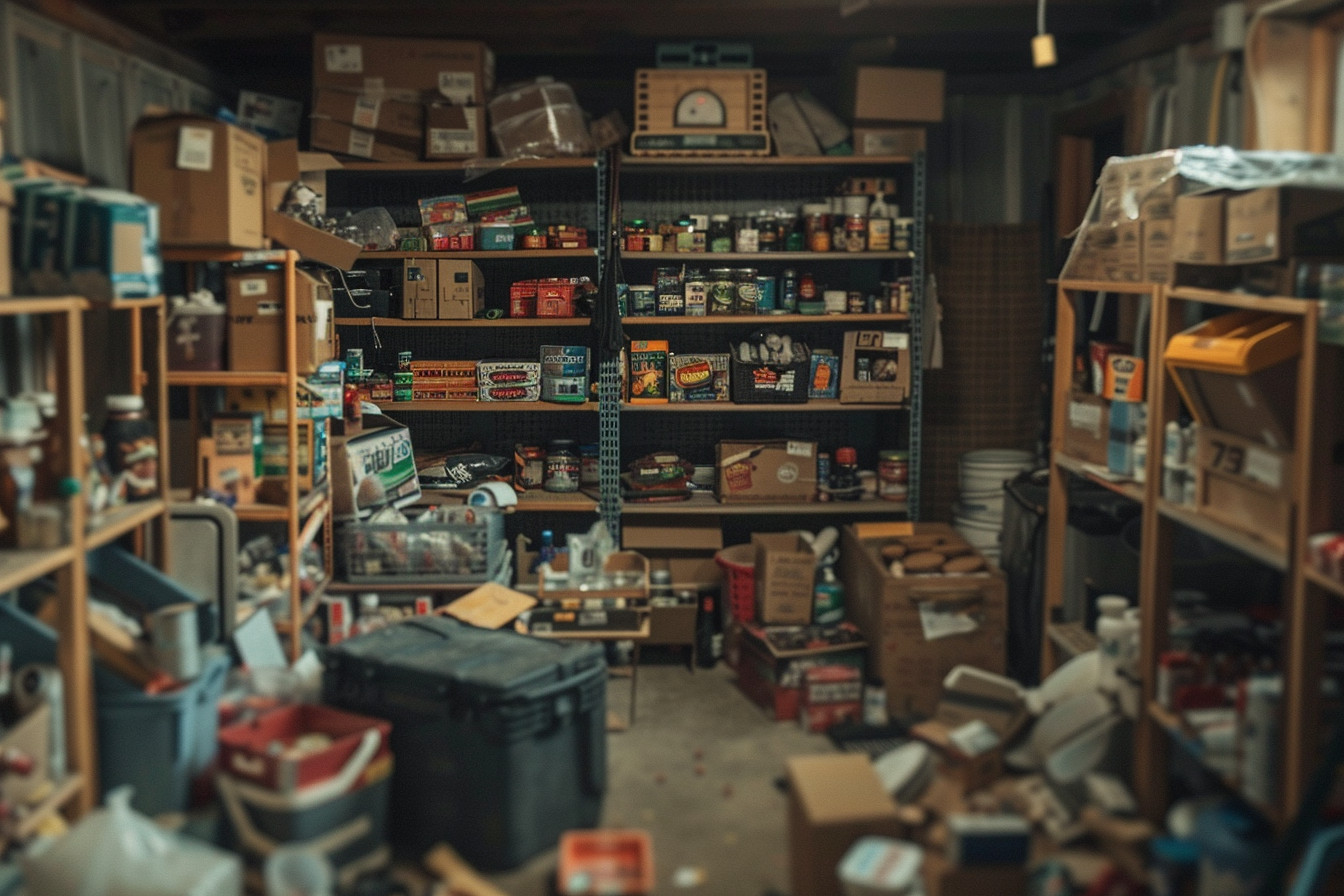
The big donation chains like Goodwill and Salvation Army are obvious choices, but I've started looking for smaller, local organizations first. The women's shelter downtown always needs professional clothing for job interviews. The family resource center in my neighborhood specifically asks for children's books and educational toys. These places often have wish lists on their websites, so you can match your stuff to their actual needs instead of just dumping random items on them.
Plus, and this might sound selfish, but it feels better knowing exactly how your donation will be used. When I dropped off a box of business casual clothes at the shelter last year, the volunteer told me they'd probably be claimed within a week by women preparing for job interviews. That's way more satisfying than just leaving stuff at a big donation center and hoping for the best.
The pickup services are tempting – call a number, someone comes to your house, boom, stuff is gone. But I've learned to be careful about which organizations actually offer this. Some of them are for-profit companies that sell your donations and just donate a small percentage of profits. Others are legit nonprofits with actual pickup services. Worth researching if you've got furniture or large items, but for smaller stuff, I usually just drive it over myself.
Now, the recycling pile – this is where things get complicated. Every city has different rules, and Seattle's recycling guidelines have changed like three times since I moved here. The basic rule I follow is: when in doubt, look it up. The city website has a search tool where you can type in specific items and it tells you exactly how to dispose of them. Game changer.
Paper, cardboard, glass, basic plastics – that's all standard curbside recycling. But then you get into weird territory with things like old VHS tapes, broken ceramics, expired makeup, random cables and chargers. Most of that stuff can be recycled, just not in your regular bin.
Electronics are the big one. I had this ancient laptop from college that finally died, plus a box of old phones I'd been hoarding for some reason. Best Buy takes electronics for free recycling, even if you didn't buy them there. Staples does the same thing with smaller electronics and office supplies. Some cell phone stores will take old phones. The key is making sure you're going to a legitimate e-waste recycler, not just someone who's going to ship your old phone to a landfill in another country.
For weird stuff that doesn't fit normal recycling categories, I use Earth911's website. You type in what you want to recycle and your zip code, and it shows you local options. Found out there's a place in Georgetown that takes old tennis shoes to turn them into playground surfaces. Another place that specifically wants wine corks. It's kind of amazing what can actually be recycled if you know where to look.
The whole process takes way longer than I initially expected. That first garage sale aftermath took me three weekends to fully sort and distribute everything. But here's what I realized – it's not just about clearing space in my apartment. Every item that gets donated or properly recycled is something that doesn't end up in a landfill, doesn't contribute to the demand for new resource extraction, maybe helps someone who actually needs it.
I started thinking about it differently after reading that recycling one ton of paper saves seventeen trees and seven thousand gallons of water. Like, I'm never going to personally recycle a ton of paper, but if everyone recycled their garage sale leftovers instead of trashing them, the cumulative impact would be huge. It's the same logic that got me into minimalism in the first place – individual actions might seem small, but they add up.
The community aspect surprised me too. When I dropped off kids' books at the family center, I ended up chatting with other volunteers about local sustainability initiatives. Found out about a neighborhood tool library where people can borrow things instead of buying them. Started volunteering at a monthly repair cafe where we fix broken items instead of throwing them away. It's like this whole network of people trying to keep useful stuff in circulation instead of constantly buying new things.

My parents think I'm overthinking it, obviously. "Just throw it away, it's easier," my mom said when I told her about spending a Saturday morning driving donations around the city. But easier for who? For me, maybe, in the short term. Not easier for the planet, not easier for people who could actually use this stuff, not easier for future generations dealing with overflowing landfills and depleted resources.
The process has also made me way more intentional about what I buy in the first place. When you've spent hours sorting through unwanted items and researching proper disposal methods, you start asking yourself different questions before making purchases. Do I actually need this? Will I still want it in a year? What happens to it when I'm done with it? It's like built-in consumption awareness.
These days I barely have garage sale leftovers because I barely have garage sales – turns out when you're living minimally, you don't accumulate enough excess stuff to make a sale worthwhile. But when I do need to get rid of things, I've got my system down. Sort, research, donate what's useful, recycle what's not, minimize what goes to actual trash. Takes a little extra time upfront but saves so much guilt and environmental impact on the backend.
The whole experience taught me that decluttering isn't just about getting stuff out of your space – it's about being responsible for the entire lifecycle of your possessions. From purchase to disposal, we're accountable for the resources we consume and the waste we generate. Garage sale leftovers are just one small piece of that, but they're a piece we can actually control.

Nicholas’s a sustainability worker in Seattle who sees minimalism as climate activism. He writes about consuming less, living simply, and building a life that aligns with environmental values rather than material ones