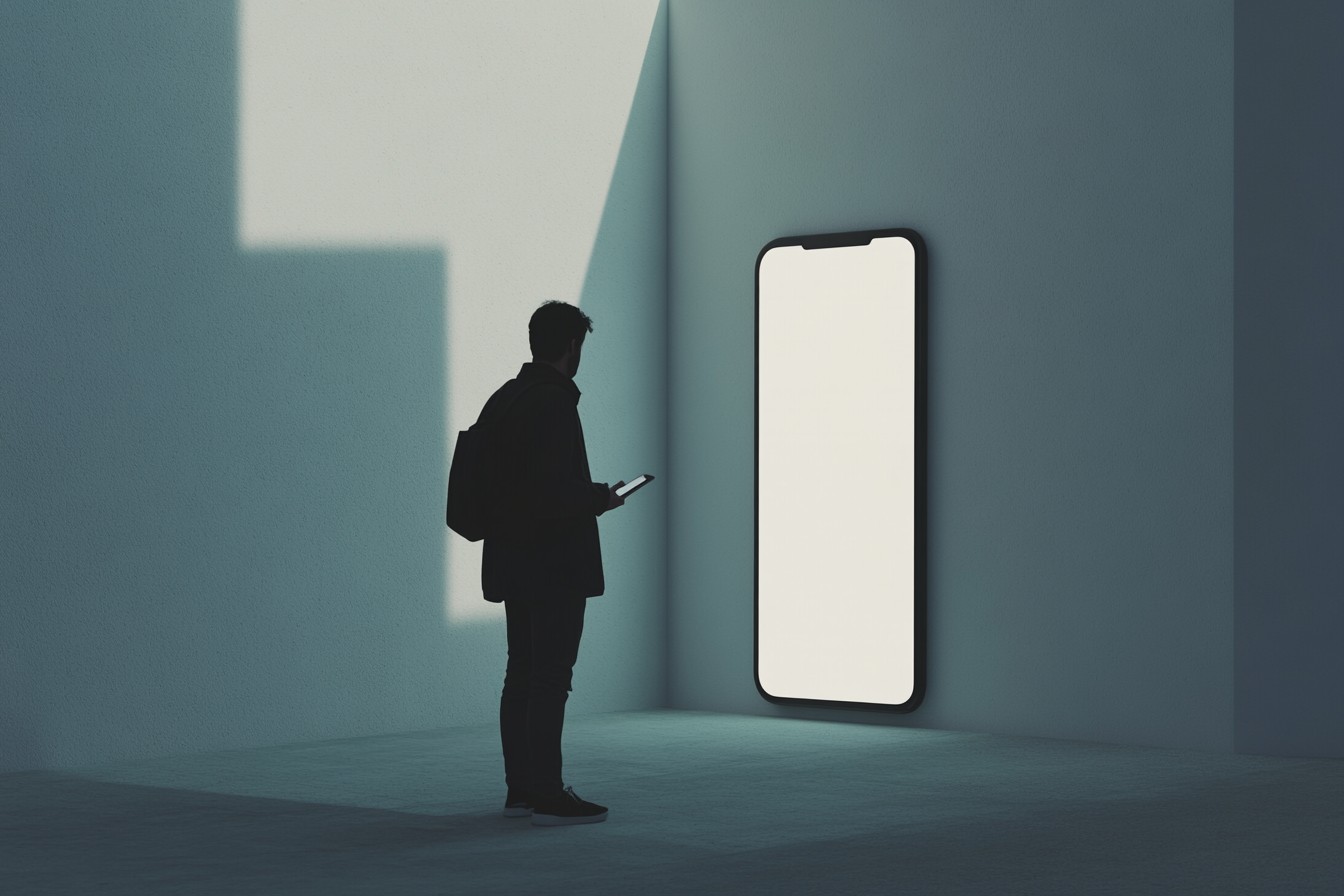
You know what’s funny? I spent thirty-four years telling kids to clean up their desks and organize their backpacks, but my own workspace at home was… well, let’s just say I wouldn’t have passed my own classroom inspection. After I retired three years ago and started this whole minimalism journey, I discovered something that honestly surprised me – getting rid of stuff didn’t just make my house look better, it actually made my brain work better too.
I mean, I’d always heard people talk about clutter affecting focus, but I figured that was just one of those things people say, you know? Like “breakfast is the most important meal of the day” or “you’ll catch cold going out with wet hair.” Turns out though, there’s actually something to it. When I finally tackled my home office last year – and I’m talking about a room that had become the dumping ground for everything from old lesson plans to broken printers I kept meaning to fix – the difference in how I could think and concentrate was immediate.
Before the big cleanout, I’d sit down to work on my blog or pay bills and find myself constantly distracted. My eyes would wander to that stack of magazines I’d been meaning to read, or I’d notice that box of teaching supplies in the corner and start thinking about my old classroom, or I’d see some random piece of mail and remember three other things I needed to do. It was like my brain couldn’t settle on one thing because there was just too much visual noise everywhere.
The Princeton researchers got it right when they found that all that visual chaos really does mess with your ability to focus. I read about their study after I’d already experienced it myself, and it was like – yes! That’s exactly what was happening to me. My attention was getting pulled in ten different directions just by looking around the room.
So here’s what I actually did, and I’m being totally honest about the process because it wasn’t some magical overnight transformation. First, I had to admit that most of the stuff in my office served no real purpose anymore. Those three-ring binders full of teaching materials from 2003? Not exactly relevant to my current life as a blogger about minimalism. The collection of coffee mugs from various school events that had taken over my desk? Pretty sure I only ever used one of them anyway.
I started with what I call the “one month test” – if I hadn’t touched something in the past month and couldn’t imagine needing it in the next month, out it went. This ruled out about 70% of what was in that room, and honestly, that felt both terrifying and liberating at the same time. Jim thought I’d lost my mind when he saw me loading up the car for another donation run, but I could already feel the difference.
What really shocked me was how much easier it became to actually get things done once I’d pared down to just the essentials. My desk now has my laptop, a notebook, one pen (okay, maybe three pens because I’m not totally reformed), and whatever I’m actively working on that day. That’s it. When I sit down to write, there’s nothing competing for my attention except the blank page, which is both wonderful and slightly terrifying.
But it’s not just about the physical stuff – I realized I needed to declutter my daily routine too. I used to try to squeeze eighteen different tasks into every day, jumping from answering emails to working on blog posts to organizing photos to researching our next trip to calling about the gutters… you get the picture. My days felt as cluttered as my office had been, and I was about as productive as you’d expect.
Now I batch similar activities together, which sounds fancy but really just means I do all my email at once instead of checking it every twenty minutes throughout the day. I designate specific blocks of time for writing, and during those blocks, I don’t let myself get distracted by other tasks that pop into my head. I keep a little notepad next to me to jot down those random thoughts – “remember to call the dentist” or “look up that restaurant Mary mentioned” – so I don’t forget them but also don’t derail whatever I’m focused on.
One thing I had to learn the hard way was that having fewer things around doesn’t automatically make you more productive if you’re still mentally scattered. I went through this phase where I’d cleaned up my space but was still trying to multitask everything, and I felt frustrated because I wasn’t seeing the benefits I’d expected. It took me a while to realize that I needed to apply the same minimalist principles to how I structured my time, not just how I organized my stuff.
The morning routine thing has been huge for me. I used to waste probably thirty minutes every day just figuring out what to wear, what to have for breakfast, where I’d put my reading glasses… all these tiny decisions that don’t matter much but somehow managed to eat up time and mental energy. Now I lay out clothes the night before (revolutionary, I know), I eat the same basic breakfast most days, and I have designated spots for things like my glasses and keys. It sounds boring, but it’s actually freeing because I’m not starting every day by making a bunch of meaningless choices.
I’ve also gotten much better at saying no to things that don’t align with what I’m trying to accomplish. This was hard for me at first – thirty-four years of teaching trains you to say yes to pretty much everything because there’s always more that could be done. But I realized that filling up my calendar with activities and commitments I didn’t really care about was just another form of clutter, and it was preventing me from focusing on what actually mattered to me.
The digital clutter piece was something I hadn’t anticipated but turned out to be just as important as the physical stuff. My computer desktop looked like a tornado had hit it, I had about 8,000 unread emails, and my phone was constantly buzzing with notifications from apps I’d forgotten I’d even downloaded. Cleaning all that up made as much difference as clearing off my desk had.
Now I’m pretty ruthless about digital distractions. I turned off most notifications, I unsubscribed from email lists I wasn’t actually reading, and I organized my computer files in a way that makes sense to me. It’s not perfect – I still sometimes let my email inbox get out of hand – but it’s so much better than it was.
What I’ve learned through all this is that the connection between physical space and mental clarity is real, but it’s also very personal. Some people can work just fine in what looks like chaos to me, and that’s okay. But for me, reducing the visual noise and streamlining my environment has made a genuine difference in my ability to focus on what I want to accomplish.
The weird thing is, I actually get more done now even though I’m technically “doing” less. When I’m not constantly distracted by clutter or pulled in multiple directions by an overpacked schedule, I can give my full attention to whatever task is in front of me, and the quality of my work is better too. My blog posts are more thoughtful, I’m more present when I’m spending time with the grandkids, and I actually finish books now instead of starting five different ones and abandoning them all.
I’m not saying everyone needs to go full minimalist – heaven knows I still have plenty of stuff, and I’m nowhere near those people who own like fifty items total. But I do think there’s something to be said for being intentional about what you keep in your space and how you structure your time. Less really can be more, at least when it comes to creating an environment where you can think clearly and focus on what matters most to you.

Carol’s a retired teacher from Maine who swapped classroom clutter for calm spaces. She writes about downsizing, letting go of sentimental stuff, and finding joy in living with less. Practical, honest, and refreshingly grounded, her stories prove that simplicity really can be freedom