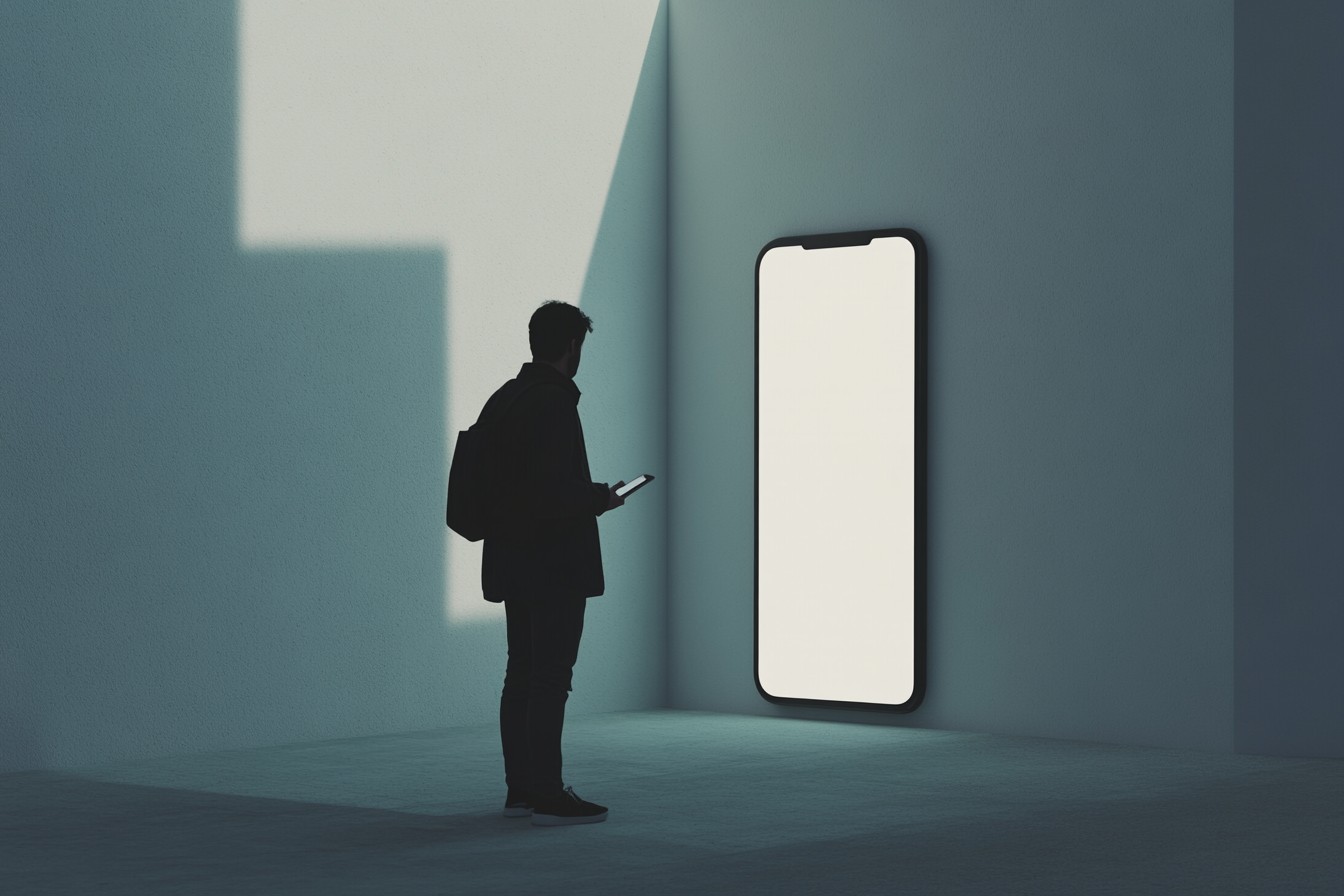
Working from home in San Francisco tech means everyone expects you to have this elaborate setup—multiple monitors, standing desk, fancy Herman Miller chair, the works. I used to buy into that completely. My home office looked like a tech showroom crossed with one of those productivity guru YouTube channels. Three monitors, mechanical keyboard with rainbow lighting, a dozen different cables snaking everywhere, shelves full of gadgets I barely touched.
You know what? It was exhausting. Not the work itself, but just… existing in that space. There was always something that needed updating, organizing, or fixing. The visual noise made it hard to think clearly, and I found myself constantly distracted by all the stuff around me instead of focusing on actual work.
The pandemic lockdown was when everything changed for me. Stuck at home 24/7, surrounded by all this gear, I realized most of it wasn't helping me work better—it was just there because I thought successful tech people were supposed to have it. So I started experimenting with less. Way less.
Now my office fits on one small desk: laptop, external keyboard (basic, no lights), wireless mouse, and a lamp. That's it. Maybe sounds boring to my coworkers who love showing off their battlestation setups, but honestly? My productivity shot through the roof when I stripped everything down to what I actually use daily.
The difference was immediate. Without visual clutter competing for my attention, I could focus for longer stretches. No more getting distracted by that expensive gadget I bought but never figured out how to properly use, or feeling guilty about the fancy equipment gathering dust. Just clean space and <a href="https://declutterglee.com/minimalism-and-productivity-how-less-clutter-leads-to-more-focus/"><a href="https://declutterglee.com/minimalism-and-productivity-how-less-clutter-leads-to-more-focus/">clear thinking</a></a>.

Location matters more than I initially realized. I moved my setup away from the bedroom (working where you sleep is a terrible idea—learned that the hard way) to a corner of the living room near the big window. Natural light makes such a difference during those long coding sessions. My old setup was in this windowless corner because that's where all the equipment fit, but it felt like working in a cave.
The desk itself is nothing special—just a simple wooden table I found on Craigslist for forty bucks. Fits my laptop perfectly with room for coffee and a notebook. Before, I had this massive desk that became a magnet for random stuff. Papers, cables, more gadgets, old coffee cups… you know how it goes. Smaller surface means less space to accumulate junk.
Chair situation took some trial and error. My first instinct was to go cheap since I was simplifying everything, but that backfired quickly. Spent a week working on a dining chair and my back was killing me. Invested in one good ergonomic chair—not the $1,200 designer one everyone raves about, but something comfortable and supportive. Your body will thank you during those marathon debugging sessions.
Here's what surprised me most about going minimal: how much <a href="https://declutterglee.com/minimalist-mental-detox-how-to-declutter-your-mind/"><a href="https://declutterglee.com/minimalist-mental-detox-how-to-declutter-your-mind/">mental energy</a></a> I was wasting on maintaining all that stuff. Constantly thinking about upgrades, comparing my setup to others online, organizing cables, cleaning equipment. Now that headspace is free for actual work. It's like having extra RAM in your brain.
The tech industry makes it really hard to resist accumulating gear. There's always some new productivity tool, monitor, or workspace gadget promising to revolutionize how you work. I used to fall for it constantly. New mechanical keyboard with different switches! Productivity app with fancy features! Standing desk converter! Most of it just added complexity without meaningful benefits.
My current setup works because everything serves a clear purpose. Laptop handles all computing tasks—no need for desktop towers or multiple machines. Wireless everything eliminates cable mess. Single monitor forces better window management and reduces the tendency to have fifty things open simultaneously (which wasn't productive anyway, just looked busy).
Storage is minimal because I keep minimal stuff. One drawer holds basic supplies—pens, notebook, phone charger. That's literally it. No filing cabinets full of papers I'll never look at again. No shelves lined with tech books that are outdated six months after buying them. Digital storage handles everything else, backed up to cloud services.
Lighting was a game-changer I didn't expect. The natural light from that window keeps me alert and helps with eye strain during long screen sessions. Added one simple LED lamp for evening work—warm light, nothing fancy. My old setup had multiple light sources creating weird shadows and glare. Sometimes simple really is better.
Plants help, but I keep it to one small succulent that doesn't need much attention. Tried having several plants before but they became another thing to maintain and worry about. This little guy adds some life to the space without creating more tasks.
The hardest part wasn't getting rid of stuff—it was resisting the urge to buy new stuff. Tech culture constantly pushes consumption. Coworkers showing off their latest purchases, YouTube channels reviewing must-have productivity tools, ads targeting remote workers with promises of better focus through better gear. I had to consciously opt out of that mindset.
What really convinced me this approach works was tracking my actual output. More focused work sessions, fewer distractions, better quality code. Less time spent on setup and maintenance meant more time for meaningful tasks. The simplified environment just feels calmer, which translates to clearer thinking.
My girlfriend was skeptical at first. She's used to more traditional office setups and thought my sparse desk looked sad or incomplete. But after seeing how much happier and more productive I became, she started simplifying her own workspace. Turns out the benefits are pretty universal.
Maintenance is basically nonexistent now. Wipe down the desk surface, keep the one drawer organized, done. Compare that to my old setup where I spent weekend time organizing cables, cleaning multiple monitors, sorting through accumulated desk clutter. That time is better spent on hobbies or actually relaxing.
The financial benefits weren't my main motivation but they're real. No more impulse purchases of productivity gear that promises to solve problems I don't actually have. No upgrading equipment that already works fine. The money I used to spend on workspace stuff now goes toward experiences or investments.

Working this way feels sustainable in a way my previous approach didn't. There's no pressure to constantly optimize or upgrade. No FOMO about missing out on the latest productivity trend. Just a <a href="https://declutterglee.com/minimalist-workspaces-creating-a-productive-environment/">simple, functional space</a> that supports good work without demanding attention itself.
Some people think <a href="https://declutterglee.com/minimalist-workspaces-creating-a-productive-environment/"><a href="https://declutterglee.com/minimalist-workspaces-creating-a-productive-environment/">minimalist means stark or uncomfortable</a></a>, but that's not true. My office feels peaceful and intentional. Everything present is there for a reason and gets used regularly. It's actually more comfortable than my previous setup because there's nothing competing for attention or creating visual stress.
The remote work conversation often focuses on having the right tools and equipment, which matters to some extent. But I've learned the most important factor is creating an environment that supports focus and reduces friction. For me, that meant less stuff, not more. Your mileage may vary, but it's worth questioning whether that next productivity gadget will actually improve your work or just add complexity.
This simplified approach changed how I think about workspace design. Instead of asking "what could I add to make this better?" I now ask "what can I remove without losing functionality?" Usually the answer reveals opportunities to streamline and improve through subtraction rather than addition.

Lawrence’s a San Francisco software engineer who traded constant upgrades for intentional living. He writes about resisting gadget overload, curating only what adds value, and finding clarity in a world built on consumption