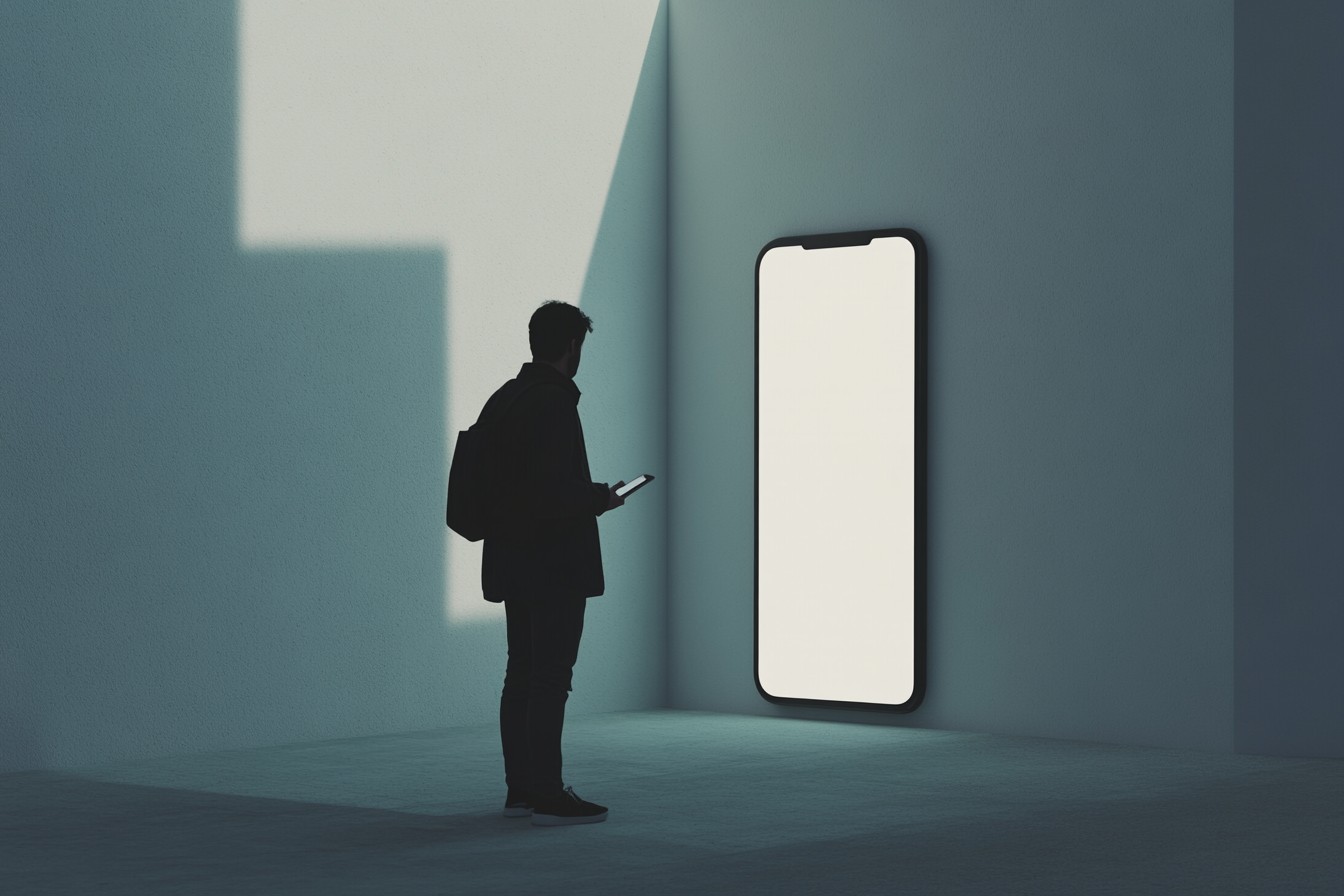
You know that feeling when you walk into your apartment after a long day at work and just… sigh? Not the good kind of sigh. The overwhelmed, "I need to deal with all this stuff" kind of sigh. That was me every single day for years, surrounded by gadgets I'd bought on impulse, furniture that looked impressive but wasn't comfortable, and just endless amounts of things I thought I needed.
I spent most of my twenties accumulating stuff. Made good money working at tech companies in SF, figured that meant I should own nice things. Expensive espresso machine that I used maybe five times before going back to grabbing coffee on my way to work. Designer furniture that looked like it belonged in a catalog but wasn't actually pleasant to sit on. The latest everything – phones, laptops, bikes, kitchen gadgets I convinced myself I'd definitely use this time.
My apartment looked successful, I guess. Like I'd made it. But honestly? I felt anxious walking around my own space. There was always something to organize, something to move, something broken that needed fixing or replacing. I was spending weekends maintaining my possessions instead of, you know, living my life.
The pandemic changed everything for me. Suddenly I'm stuck at home surrounded by all this stuff, working from the same desk where my unused bread maker sat collecting dust. Started really looking around and realizing most of what I owned didn't make me happy – it just made me tired. That fancy bike was taking up half my hallway because storing it was annoying. The expensive sound system was buried under cables for devices I'd upgraded from but never bothered selling.
Got curious about minimalism mostly out of boredom. Figured it was probably some extreme thing where people sleep on floors and own three shirts, but the more I read, the more it made sense. Not the extreme stuff – just the basic idea that maybe I didn't need to own something just because I could afford it.

Started small. Sold my old phones and laptops on Craigslist – made surprisingly good money, which was eye-opening about how much cash I'd basically thrown away constantly upgrading. Donated clothes I hadn't worn in years. Got rid of kitchen gadgets I'd used once and forgotten about. Each time I removed something from my space, it felt… lighter somehow.
The mental shift surprised me more than anything. When you really think about whether you need something before buying it, you start questioning a lot of your automatic behaviors. Do I actually want this new gadget, or do I just want it because everyone at work has one? Am I buying this because it'll improve my life, or because I saw an ad that made me feel like what I have isn't good enough?
My coworkers think I'm weird now. Tech culture is all about having the newest everything, showing off your setup, collecting gear. When people come over and see how sparse my place is, they don't get it. "You make good money, why don't you have more stuff?" Because more stuff doesn't make me happier – it just gives me more things to worry about.
The thing is, I'm not living like a monk or anything. I still have nice things. Good laptop, comfortable bed, quality basics that I actually use. But everything in my space has to earn its place. If I'm not using something regularly or it doesn't genuinely make my life better, it doesn't get to stay.
Mindfulness kind of naturally followed from this. When you're being intentional about your physical space, you start being more intentional about your mental space too. Instead of mindlessly scrolling through social media or buying random stuff online, I started paying attention to what I was actually doing with my time and energy.
I'll be honest – the mindfulness thing felt pretty weird at first. Sitting quietly and paying attention to my breathing? Seemed like something for people way more zen than me. But it's not about becoming some enlightened guru. It's just about noticing what's happening in your head instead of being on autopilot all the time.
Started with maybe five minutes in the morning, just sitting with coffee before checking email. Not trying to achieve anything specific, just being present instead of immediately jumping into the day's chaos. Turns out when you give your brain a minute to settle, everything else feels more manageable.
The connection between having less stuff and feeling more mentally clear is real. When your environment is calm, your mind follows. I don't spend mental energy keeping track of where everything is or what needs to be fixed or organized. My apartment is peaceful now – not because it looks like a magazine, but because everything in it has a purpose.
This isn't some magic bullet that solved all my problems. I still get stressed about work, still have days when I want to buy something I don't need, still deal with the same human stuff everyone does. But the baseline anxiety I used to carry around about my living situation is gone. My space supports me instead of draining me.
The money aspect ended up being huge too. When you stop buying things impulsively, you save a ridiculous amount of money. Instead of constantly upgrading gadgets or buying furniture I'd get tired of, I invest that money or save it for experiences that actually matter. Took a two-week trip to Japan last year with money I would have previously spent on stuff I'd forget I owned.
People ask how I maintain this when consumer culture is everywhere, especially in tech. Honestly, it's about knowing what you're opting out of. I'm not participating in the competition to look successful through possessions. I'd rather have <a href="https://declutterglee.com/minimalist-mindset-shifts-how-to-break-free-from-consumerism/"><a href="https://declutterglee.com/minimalist-mindset-shifts-how-to-break-free-from-consumerism/">financial freedom and a calm living space</a></a> than impressive stuff that doesn't actually improve my daily life.
The mindfulness practice helps with this too. When I notice the urge to buy something, I can pause and ask whether it's coming from a genuine need or just from marketing/social pressure/boredom. Most of the time, it's not a real need. I wait a week, and usually the desire passes completely.
<a href="https://declutterglee.com/digital-minimalism-declutter-your-online-world-for-peace/"><a href="https://declutterglee.com/digital-minimalism-declutter-your-online-world-for-peace/">Digital minimalism</a></a> became important as well. Unsubscribed from promotional emails, unfollowed accounts that made me feel like I needed more stuff, turned off most notifications. My phone became a tool I use intentionally instead of something constantly demanding my attention. The mental space this creates is incredible.
Not everything has been smooth. Got rid of some things I later missed, though that's rare. Had to resist judgment from friends who think my apartment looks empty or depressing. Dealt with FOMO when everyone's excited about some new product and I'm sitting it out. But these downsides are tiny compared to the benefits.
What I've learned is that peace through simplicity isn't about deprivation – it's about intention. Every choice becomes more deliberate when you're not just accumulating by default. What do I actually need? What genuinely makes my life better? These questions apply to everything from possessions to commitments to digital consumption.
The physical act of decluttering was just the beginning. The real change happened when I started applying the same principles to how I spend time and energy. Saying no to social events I don't enjoy, not feeling obligated to respond to every message immediately, being selective about what information I consume. Creating space in all areas of life, not just physical space.

My girlfriend is less into this than I am, which creates some interesting negotiations. She's not opposed to minimalism but doesn't feel the need for it the way I do. We're figuring out how to balance both approaches – keeping our shared spaces relatively simple while making sure she has room for things that matter to her.
The future challenge will be maintaining this if we have kids eventually. Not sure how minimalism works with family life, but I'll adapt. The core principles will probably stay the same – being intentional about what we bring into our lives, creating calm spaces, focusing on experiences over possessions.
Working in tech while living minimally still feels countercultural. I'm building products designed to make people want more stuff while personally choosing to opt out of that cycle. But that tension keeps me honest about what technology actually adds value versus what's just designed to capture attention and drive consumption.
What drives all of this for me is wanting freedom from the constant pressure to acquire and upgrade. Freedom from debt, from maintenance, from feeling like I always need the newest thing to be happy or successful. Turns out that freedom looks a lot like a calm apartment with space to breathe and money in the bank instead of scattered across a bunch of stuff I don't really need.

Lawrence’s a San Francisco software engineer who traded constant upgrades for intentional living. He writes about resisting gadget overload, curating only what adds value, and finding clarity in a world built on consumption