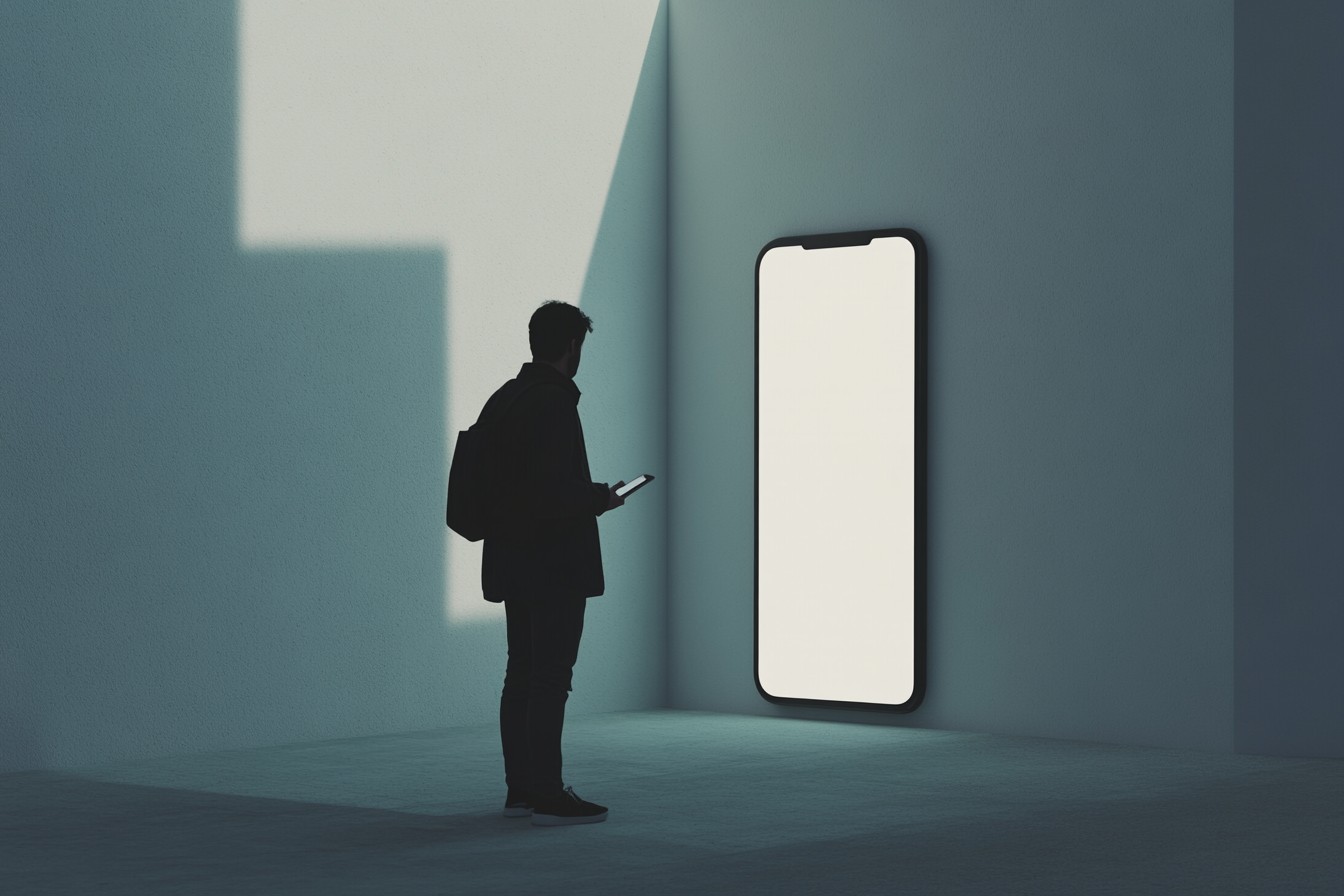
Look, I used to be that guy with seventeen meditation apps on my phone, a $200 meditation cushion I bought on Amazon at 2am, and a subscription to every mindfulness service that promised enlightenment in thirty days or less. Classic tech worker move, right? Throw money at a problem and expect it to solve itself. Spoiler alert: it didn’t work.
The turning point came during one of those brutal 12-hour coding sessions when I was debugging a particularly nasty piece of legacy code. My stress levels were through the roof, and I opened my meditation app hoping for some quick relief. The interface wanted me to choose between “Deep Forest Sounds,” “Tibetan Singing Bowls,” or “Urban Rain Meditation.” Then it asked about my current mood, suggested a premium upgrade, and wanted to sync with my fitness tracker. I closed the app and just… sat there. In silence. For five minutes.
That’s when I discovered what I now call minimalist meditation, though back then I just thought of it as “not being overwhelmed by my own attempt to relax.” It’s basically meditation stripped down to its bare essentials, which appeals to the same part of my brain that eventually led me to own three plates instead of a full dinnerware set.
The whole thing started making sense when I realized I was treating meditation like another tech problem to optimize. I mean, here I was living in a city where everyone’s trying to hack their consciousness with $400 headbands that claim to monitor your brainwaves, while what I actually needed was just… quiet. No fancy equipment. No elaborate rituals. Just me, my breath, and maybe a corner of my apartment that wasn’t cluttered with stuff I didn’t need.
Here’s what I’ve learned works: find a spot where you can sit comfortably without your phone buzzing every thirty seconds. I use the same corner where I keep my one houseplant (a snake plant, because apparently I can keep those alive). The space doesn’t need to be Instagram-worthy or arranged according to feng shui principles. It just needs to feel calm to you.
Start with breathing because, well, you’re already doing it anyway. The technique I use is embarrassingly simple – breathe in for four counts, hold for two, breathe out for four. That’s it. No special nostril breathing patterns or visualization of golden light flowing through your chakras. Just regular human breathing with a bit more attention paid to it.
I do this for maybe ten minutes in the morning before I check my emails, which in San Francisco tech culture is basically like declaring yourself a monk. My coworkers think it’s weird that I don’t use any apps to track my meditation streaks or measure my stress levels afterward. “How do you know if it’s working?” they ask. I know it’s working because I don’t want to throw my laptop out the window when our deployment pipeline breaks for the third time in a week.
The research backs this up, though I try not to get too obsessed with optimizing based on studies because that defeats the whole point. There’s solid evidence that simple mindfulness practices reduce stress and improve focus, but I don’t need a peer-reviewed paper to tell me that spending ten minutes not thinking about our latest sprint retrospective makes me feel better.
One thing that surprised me was how resistance I got from other people about the simplicity of it. Friends would ask what technique I was using, what tradition it came from, whether I was following a specific teacher. When I said I just sit quietly and pay attention to my breathing, they seemed disappointed. Like it couldn’t possibly work if it wasn’t complicated or expensive.
But that’s the beauty of it – minimalist meditation adapts to your life instead of demanding that your life adapt to it. If I only have five minutes between meetings, I can do five minutes. If I’m traveling and staying in some cramped hotel room, I don’t need to pack special equipment or find the perfect environment. I can literally do this anywhere I can sit down and breathe, which covers most situations.
The walking meditation thing happened by accident. I was walking to work one day, probably stressing about some code review, when I realized I could apply the same principles of attention and simplicity to walking. Instead of listening to podcasts or music, I started paying attention to each step, the feeling of my feet hitting the ground, the rhythm of movement. Sounds cheesy, but it actually works better than any productivity podcast I’ve ever listened to.
What’s interesting is how this connects to the broader minimalism philosophy I’d already adopted. When you strip away the unnecessary stuff from your living space, you create room for what matters. Same thing happens with meditation – when you strip away all the apps and accessories and guided visualizations, you create space for actual awareness and calm.
I’m not saying guided meditations or meditation apps are bad. They work for some people, and that’s great. But for me, they were just another form of consumption, another way to avoid dealing with the simple reality of sitting quietly with myself. It’s like how I used to think I needed the most advanced IDE with seventeen plugins when really I do my best coding in a simple text editor.
The gratitude aspect developed naturally. When you’re sitting quietly without distractions, you start noticing things you appreciate – the fact that you have a quiet space to sit, that you can breathe easily, that you have ten minutes in your day that aren’t scheduled with meetings. It’s not about forcing positive thoughts or keeping a gratitude journal (though those aren’t bad ideas). It’s more about creating space for appreciation to arise naturally.
The hardest part isn’t the meditation itself, it’s resisting the urge to make it more complicated. My brain constantly suggests improvements: “Maybe I should track this in a spreadsheet” or “I should research different breathing techniques” or “I wonder if there’s an optimal time of day based on my circadian rhythms.” That’s just my tech brain trying to optimize everything, but optimization is the opposite of what minimalist meditation is about.
I’ve been doing this for about three years now, and the changes have been subtle but significant. I sleep better, partly because I’m not scrolling through meditation apps trying to find the perfect sleep story. I’m more focused at work because I’ve practiced focusing on simple things like breathing. I’m less reactive to the constant stream of notifications and interruptions that come with working in tech.
The practice has also made me more intentional about other areas of my life. When you spend time regularly just being present with what is, rather than what could be or should be, it becomes easier to make decisions based on what actually matters rather than what seems impressive or optimal.
If you’re thinking about trying this, start smaller than you think you need to. Five minutes is plenty. Don’t worry about sitting perfectly straight or clearing your mind completely – those are misconceptions anyway. Just sit somewhere quiet and pay attention to your breathing for a few minutes. If your mind wanders (it will), gently bring your attention back to your breath. That’s literally it.
The simplicity is the point, not a limitation. In a world where we’re constantly being sold more complex solutions to basic human needs, there’s something radical about discovering that peace of mind doesn’t require an app subscription or special equipment. Sometimes the most advanced technology is just sitting quietly and breathing.

Lawrence’s a San Francisco software engineer who traded constant upgrades for intentional living. He writes about resisting gadget overload, curating only what adds value, and finding clarity in a world built on consumption