You know, when I first st<a href="https://declutterglee.com/the-<a href="https://declutterglee.com/the-art-of-decluttering-embracing-minimalism-for-beginners/">art</a>-of-decluttering-embracing-minimalism-for-beginners/"><a href="https://declutterglee.com/the-art-of-decluttering-embracing-minimalism-for-beginners/">art</a></a>ed reading about minimalism three years ago, I had no idea how many books were out there on the topic. I mean, there's something almost funny about having hundreds of books telling you to own less stuff, right? But after going through my own journey from a house packed with thirty-four years of teaching materials to something that actually feels peaceful, I've figured out which reads are worth your time and which ones you can skip.
I remember standing in my local bookstore in Portland, overwhelmed by the self-help section, trying to figure out where to even st<a href="https://declutterglee.com/the-art-of-decluttering-embracing-minimalism-for-beginners/">art</a>. The irony wasn't lost on me – here I was, looking to buy more books to learn about having less. But honestly? Some of these books genuinely changed how I think about possessions, happiness, and what retirement should look like.
Let me tell you, minimalism didn't st<a href="https://declutterglee.com/the-art-of-decluttering-embracing-minimalism-for-beginners/">art</a> as some trendy lifestyle thing. It actually began as an <a href="https://declutterglee.com/the-art-of-decluttering-embracing-minimalism-for-beginners/">art</a> movement back in the 1960s – <a href="https://declutterglee.com/the-art-of-decluttering-embracing-minimalism-for-beginners/">art</a>ists like Frank Stella and Donald Judd were stripping their work down to the bare essentials. Clean lines, simple forms, no unnecessary decoration. I learned this from one of the books I'll mention later, and it made me think about my own cluttered house differently. Those <a href="https://declutterglee.com/the-art-of-decluttering-embracing-minimalism-for-beginners/">art</a>ists weren't trying to deprive themselves of beauty… they were trying to find it by getting rid of everything that didn't matter.
That's exactly what happened to me in my own home. After dealing with my mother's estate five years ago – boxes and boxes of things nobody wanted or needed – I realized I was heading down the same path. My basement looked like a museum of my teaching career, complete with bulletin board borders from 1987 and enough construction paper to supply a small school district. It wasn't bringing me any joy, just stress every time I looked at it.
The first book I picked up was Marie Kondo's "The Life-Changing Magic of Tidying Up." Now, I'll be honest, some of her advice felt a bit… intense. Thanking your socks before you donate them? Not really my style. But the basic question she poses – does this spark joy? – that hit home. I st<a href="https://declutterglee.com/the-art-of-decluttering-embracing-minimalism-for-beginners/">art</a>ed going through my closet asking myself that question, and you know what? Most of my clothes didn't spark anything except maybe mild guilt about money I'd spent years ago.
I donated probably sixty percent of my wardrobe that first weekend, and I haven't missed a single item. Not one. That experience taught me the difference between keeping things because you might need them someday (spoiler alert: you probably won't) and keeping things that actually add value to your life right now.
After that success, I dove deeper into the minimalism world and discovered "The Minimalists" by Joshua Fields Millburn and Ryan Nicodemus. These guys had completely different backgrounds from mine – corporate, high-earning, drowning in expensive stuff – but their story resonated anyway. They write about how having more things didn't make them happier, just more stressed about maintaining and organizing everything. Sound familiar? That was basically my teaching career in a nutshell.
What I loved about their approach is that it's not about deprivation. It's about being intentional. They don't tell you to get rid of your books if you love reading, or your kitchen gadgets if you love cooking. They just ask you to think about why you're keeping things and whether they're actually serving you or just taking up space and mental energy.
Another book that really shaped my thinking was "<a href="https://declutterglee.com/digital-minimalism-declutter-your-online-world-for-peace/"><a href="https://declutterglee.com/digital-minimalism-declutter-your-online-world-for-peace/">Digital Minimalism</a></a>" by Cal Newport. Now, I'm not exactly a tech-heavy person – I mean, I retired right as sm<a href="https://declutterglee.com/the-art-of-decluttering-embracing-minimalism-for-beginners/">art</a> boards were becoming a thing in classrooms – but even I had accumulated digital clutter. Email subscriptions I never read, photos stored in three different places, apps on my phone I'd used once. Newport's ideas about being more intentional with technology helped me clean up that mess too. I unsubscribed from probably fifty email lists and honestly, I don't miss any of those daily deals and newsletters.
Then there's "Goodbye, Things" by Fumio Sasaki. This one's by a Japanese author, and it goes deeper into the philosophy behind minimalism. He talks about how our possessions can actually possess us – we end up working to maintain and organize our stuff instead of focusing on what we actually want to do with our lives. That really hit home for me. I'd spent so many weekends organizing and reorganizing my teaching supplies, my holiday decorations, my books… when what I really wanted was to be out in my garden or spending time with my grandkids.
Sasaki also addresses something I struggled with – sentimental items. My mother's china that I never used, my grandmother's jewelry that didn't suit my style, boxes of my kids' school projects… He doesn't say to get rid of everything with emotional value, but he does suggest being honest about what truly honors those memories versus what's just taking up space out of guilt.
Speaking of sentimental items, "The Gentle Art of Swedish Death Cleaning" by Margareta Magnusson was both practical and oddly comforting. The title sounds morbid, but it's really about gradually letting go of possessions so your family doesn't have to deal with everything when you're gone. Having just gone through that exact situation with my mother's house, this book gave me both motivation and practical tips for making the process easier on everyone.
One book that surprised me was "Essentialism" by Greg McKeown. It's not specifically about minimalism in terms of possessions, but about applying the same principles to how you spend your time and energy. As a retired teacher, I was used to saying yes to everything – committee work, extra duties, helping other teachers, volunteering for every school event. McKeown's book helped me realize I could apply the same "does this spark joy" question to my commitments. Just because I can do something doesn't mean I should.
Now, I'll warn you about some books that didn't work for me. There are quite a few that treat minimalism like some kind of competition – seeing how few possessions you can own, counting every item, living out of a single backpack. That's fine if it works for you, but it felt too extreme for this 63-year-old woman who likes her books and her garden tools. The point isn't to impress anyone with how little you own… it's to keep what serves your life and let go of what doesn't.
I also read several books that made minimalism sound like the solution to every problem in life. Look, getting rid of clutter helped me feel calmer and more organized, but it didn't fix my <a href="https://declutterglee.com/the-art-of-decluttering-embracing-minimalism-for-beginners/">art</a>hritis or make my kids call more often. Some authors oversell the benefits, and that can set you up for disappointment.

What I've learned from all this reading – and more importantly, from actually living it – is that minimalism isn't really about the stuff at all. It's about figuring out what matters to you at this stage of your life and making room for that. For me, that meant letting go of my teacher identity (along with all the supplies and materials that went with it) and embracing being a grandmother, a gardener, and a person with time to actually read the books I keep instead of just organizing them on shelves.
The books that made the biggest difference weren't necessarily the ones with the most tips or the most extreme approaches. They were the ones that helped me understand why I was holding onto things I didn't need and gave me permission to let them go. They helped me see that wanting less stuff isn't about being cheap or depriving yourself – it's about making space for what you actually value.
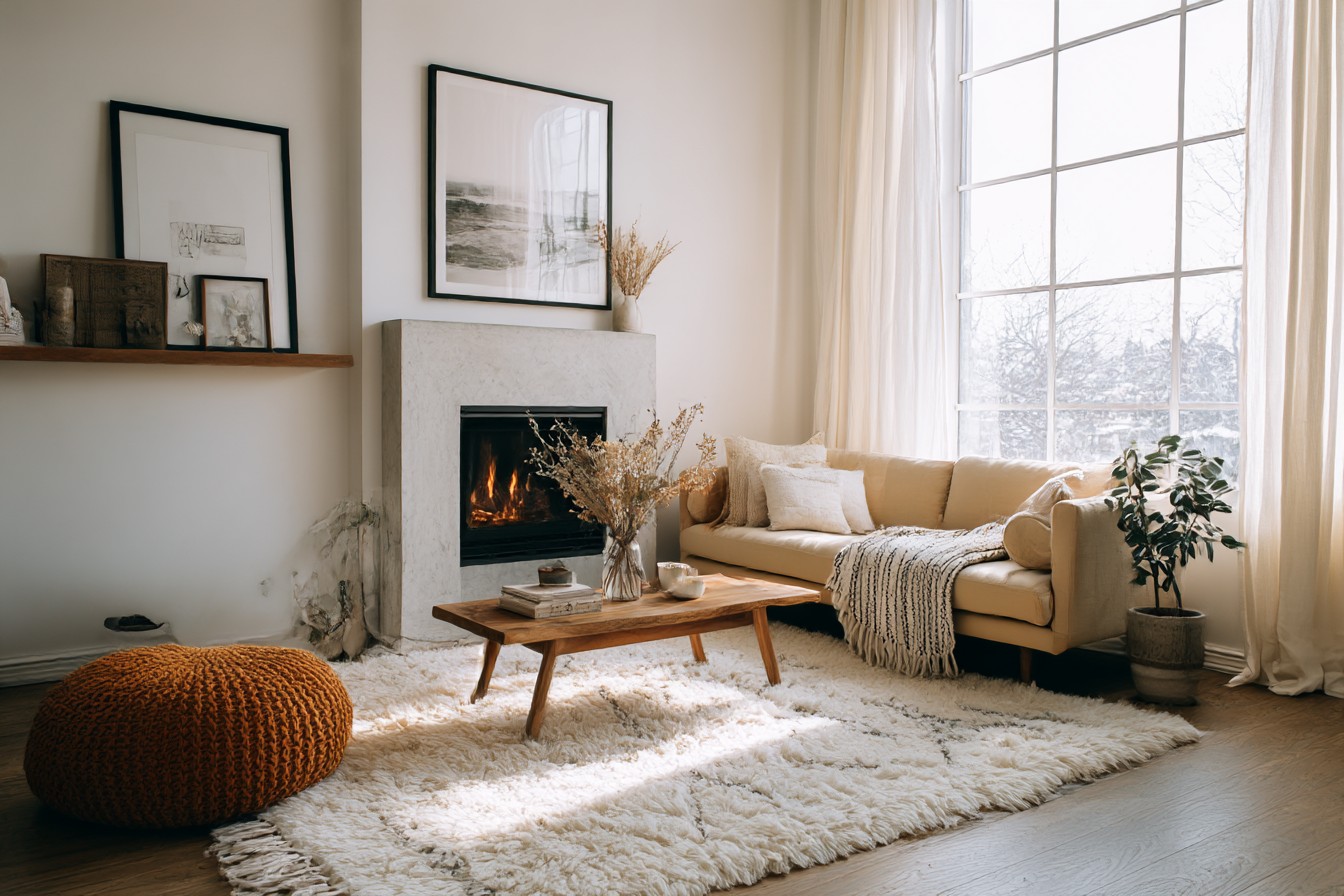
Three years into this journey, my house feels completely different. Not empty, but peaceful. Not sparse, but intentional. I can find what I need, I'm not stressed about cleaning and organizing constantly, and when my grandkids come over, we can actually use the dining room table for puzzles instead of having to clear off piles of mail and random stuff first.
If you're thinking about exploring minimalism, st<a href="https://declutterglee.com/the-art-of-decluttering-embracing-minimalism-for-beginners/">art</a> with one or two books that sound interesting to you, not a whole stack. Read them, try some ideas, see what works in your actual life. The goal isn't to follow someone else's system perfectly… it's to figure out what enough looks like for you. And honestly? That's something only you can decide.

Carol’s a retired teacher from Maine who swapped classroom clutter for calm spaces. She writes about downsizing, letting go of sentimental stuff, and finding joy in living with less. Practical, honest, and refreshingly grounded, her stories prove that simplicity really can be freedom