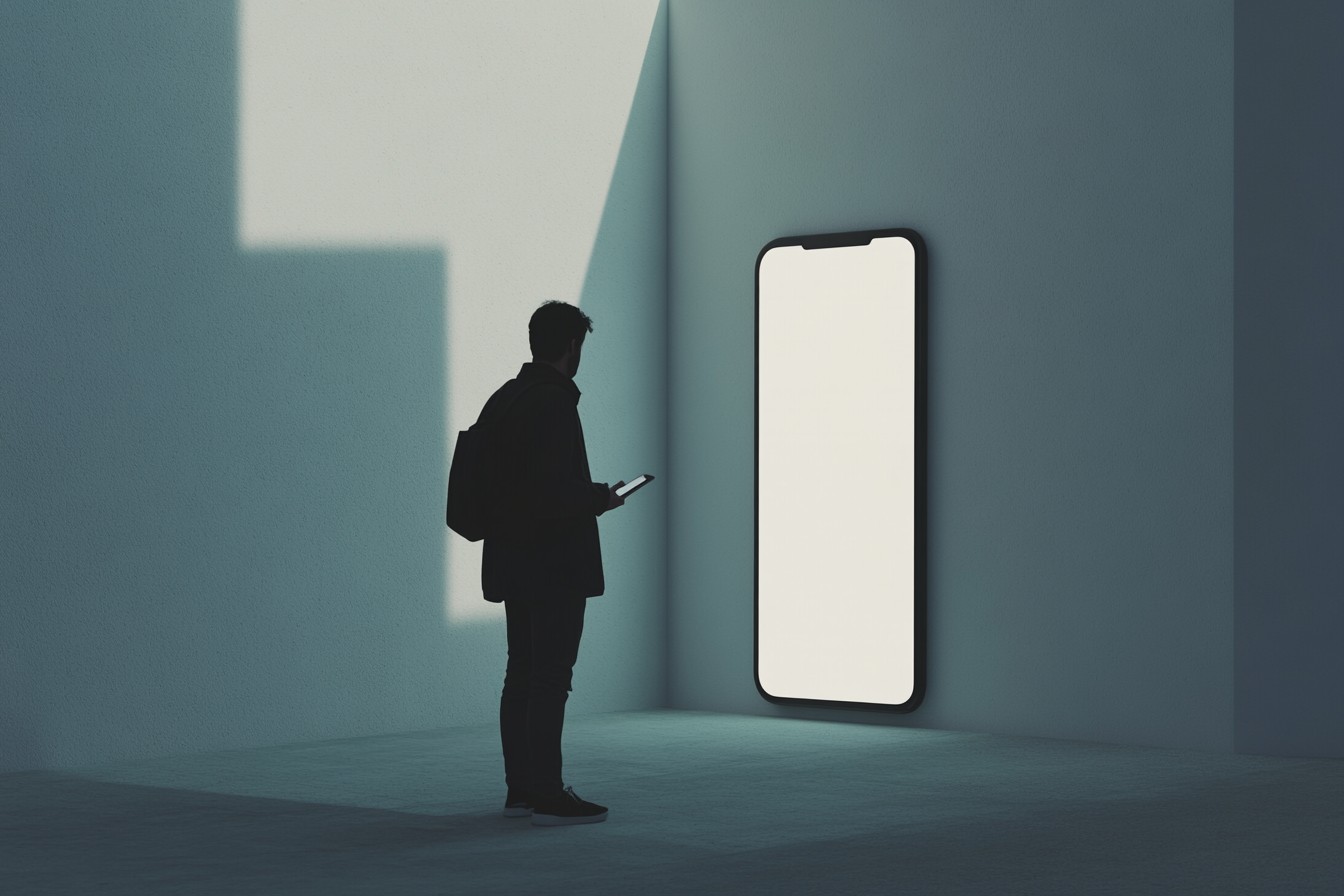
You know what hit me after Patricia died? I was sitting in our house surrounded by forty years of accumulated stuff, and I realized I had three different tablets, two laptops that barely worked, and a smartphone with 127 apps on it. One hundred and twenty-seven. I counted them one Tuesday afternoon when I couldn’t sleep, and honestly, I probably used maybe ten of them regularly.
That was two years ago, and let me tell you, decluttering my technology was almost as hard as going through Patricia’s closets. Maybe harder in some ways, because at least with clothes you can see what you’re dealing with. With technology, all that digital clutter just sits there invisible, eating away at your peace of mind one notification at a time.
I’m not some tech expert or minimalism guru – I’m just a 67-year-old retired accountant who spent forty years managing other people’s finances while letting my own digital life get completely out of control. But going through this process of simplifying my technology has been one of the best things I’ve done since moving to the condo. It’s made everything easier, less stressful, and honestly, I get more done now than when I had all those gadgets and apps supposedly helping me.
The whole thing started when I was trying to video call my daughter and couldn’t figure out which app to use. FaceTime, Skype, WhatsApp, Facebook Messenger – they were all there on my phone, and I couldn’t remember which one she preferred. Spent twenty minutes fumbling around before finally just calling her the old-fashioned way. That’s when it hit me that maybe having more options wasn’t making my life better.
See, when you’ve got too many ways to do the same thing, you waste time deciding instead of actually doing. I had four different weather apps. Four! Like the weather was going to be different depending on which app I checked. Had three calendar apps, two note-taking apps, and don’t even get me started on all the games I’d downloaded and played once. My phone was like that junk drawer we all have – full of stuff that might be useful someday but mostly just gets in the way when you’re looking for something you actually need.
The real wake-up call came when my grandson was visiting and asked to borrow my tablet to do some homework. Kid couldn’t find anything because the screen was packed with icons, half of them for apps I’d forgotten I even had. Watching him struggle to navigate what should have been a simple device made me realize I was making technology harder than it needed to be.
So I started what I now call my “great digital purge.” Went through every device, every app, every subscription. Asked myself one simple question for each thing: “Have I used this in the last month, and if I did use it, did it actually make my life better?” You’d be amazed how much stuff fails that basic test.
Started with the phone since that’s what I use most. Deleted probably eighty apps in the first round. Games I’d played once, shopping apps for stores I’d never been to, that meditation app everyone said I should try but made me more stressed trying to figure out how to use it. Kept the essentials – phone, messages, email, camera, maps, weather (just one), and maybe a dozen others that I genuinely use.
The difference was immediate. Finding what I needed became simple instead of a scavenger hunt. My phone actually worked faster too, probably because it wasn’t trying to keep track of all that junk. And the notifications – oh man, the peace when those constant pings stopped was incredible.
Moved on to the laptops next. Had one from my working days that was so old it took five minutes just to start up, and a newer one I’d bought thinking I needed something portable. Kept the newer one, donated the old one to a local charity. Cleaned up the desktop, organized files into folders that actually made sense, uninstalled programs I’d accumulated over the years but never used.
The tablets were trickier because I’d convinced myself I needed them for different things. One was supposedly for reading, another for watching movies, a third one that was just sort of there. Kept one – the newest one that could handle whatever I needed – and gave the others to my kids. My daughter was happy to get one for her youngest.
What surprised me most was how much mental energy all that excess technology had been consuming. Every device needed updates, every app wanted attention, every subscription required managing. When you multiply that by dozens of apps and multiple devices, it adds up to a lot of background stress you don’t even realize you’re carrying.
Now my setup is simple. One laptop, one tablet, one phone. Each device has only the apps I actually use. I can find what I need immediately. Updates are manageable because there aren’t as many things to update. And here’s the kicker – I’m actually more productive than when I had all those “productivity” apps that were supposed to help me get organized.
The email situation was probably the hardest part. Had accounts scattered across different services, signed up for newsletters I never read, promotional emails from every store I’d ever bought anything from. Spent weeks unsubscribing from stuff and consolidating down to one main email account. Now I can actually keep up with my messages instead of feeling overwhelmed every time I opened my inbox.
Don’t get me wrong, I’m not anti-technology. I use video calls to talk to my grandkids, manage my finances online, stream movies, read books on my tablet. But I use technology intentionally now instead of just accumulating it. Every app on my phone earns its place by being genuinely useful. Every device I own serves a clear purpose.
The biggest change is in how I approach new technology. Before, if someone recommended an app or I saw an ad for some gadget that looked interesting, I’d download it or buy it without much thought. Now I ask myself: “What specific problem would this solve that I can’t already handle with what I have?” Most of the time, the answer is nothing.
This approach has saved me money too. Instead of buying the latest version of everything, I use what I have until it actually needs replacing. My phone is three years old and works fine. My laptop is four years old and handles everything I need. When something breaks or truly becomes obsolete, I’ll replace it, but I’m not chasing every new release anymore.
The peace of mind from this simplified approach has been incredible. No more decision fatigue from too many options. No more anxiety from constant notifications. No more frustration from devices that are too cluttered to be useful. My technology now supports my life instead of complicating it.
For anyone thinking about simplifying their digital life, start small. Pick one device and spend an hour going through it. Delete apps you don’t use, turn off notifications you don’t need, clean up files and organize what’s left. You’ll probably be surprised by how much better that device works and how much calmer you feel using it.
Remember, the goal isn’t to go back to the stone age or prove anything to anyone. It’s about making your technology work for you instead of the other way around. At my age, I don’t have time to waste managing gadgets and apps that don’t add real value to my life. I’d rather spend that time with my grandkids, traveling, or just enjoying the peace that comes from keeping things simple.

Frank’s a widowed retiree from Phoenix learning that less really is more. After decades of accumulation, he’s simplified his home and his life—sharing real stories about grief, gratitude, and living lighter in retirement without losing what matters