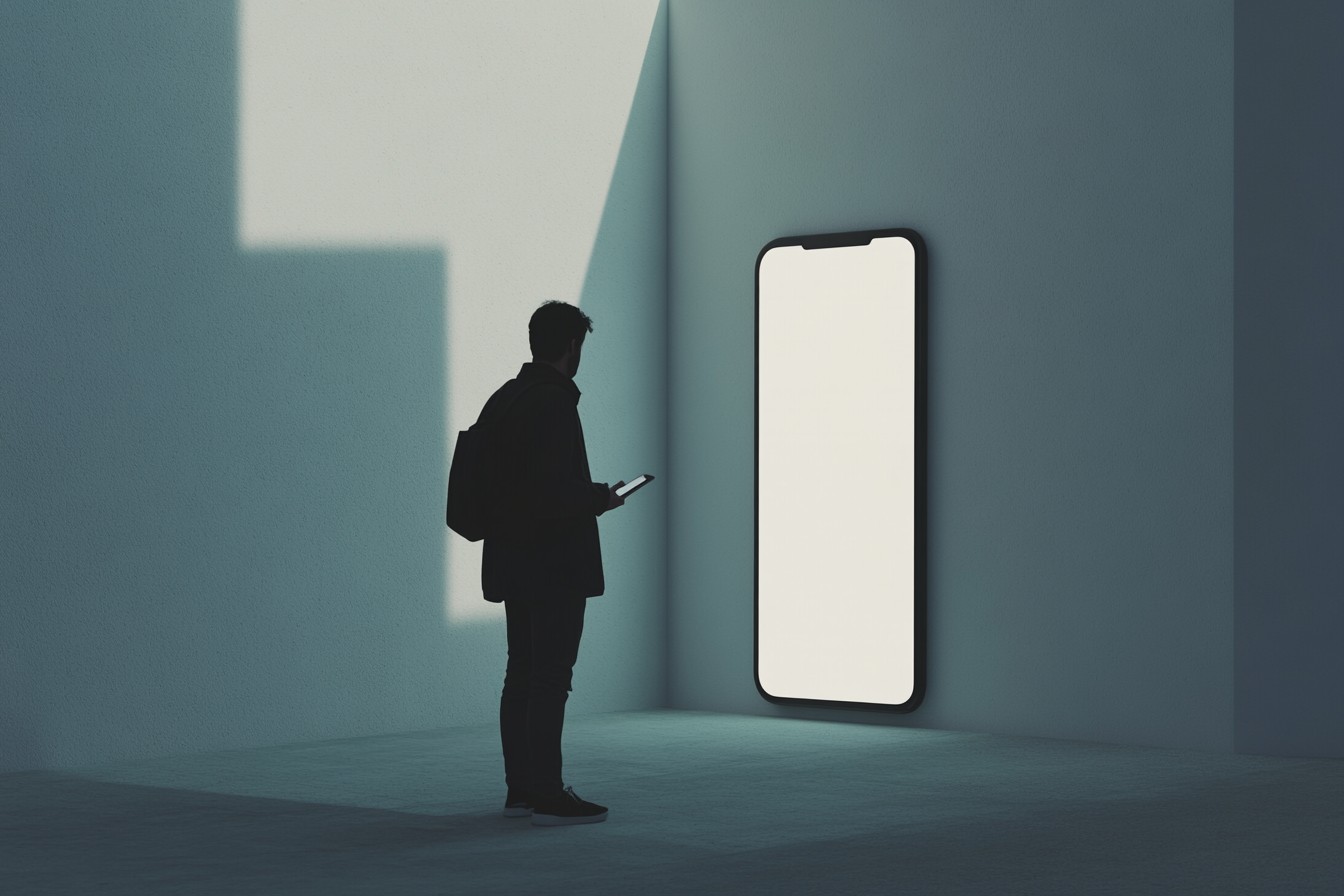
I used to work from a corner of my Mission District apartment that looked like a Best Buy had exploded. Seriously. Three monitors (because more screens meant more productivity, right?), a mechanical keyboard that cost more than some people's rent, seventeen different cables snaking everywhere, and stacks of tech magazines I'd never read but kept "for reference." My desk was drowning under gadgets I'd bought during late-night Amazon binges, convinced each one would finally make me the productive person I wanted to be.
The wake-up call came during a video meeting when my coworker joked that my background looked like a hoarder's paradise. I laughed it off, but honestly? It stung because it was true. I was spending more time organizing my stuff than actually using it. Finding a specific cable meant moving six other things. My "productivity setup" was actively making me less productive.
That's when I decided to strip everything down to what I actually needed. Not what I thought I should have, not what looked impressive on calls, but what I genuinely used every single day. The transformation wasn't just about having less clutter—it completely changed how I work and, I'm not being dramatic here, how I feel about my space.
The thing about working in tech is there's this unspoken pressure to have the most cutting-edge setup possible. Your coworkers show off their new standing desks, their RGB lighting systems, their $200 mechanical keyboards with custom keycaps. I fell into that trap hard. Every promotion meant upgrading something—bigger monitor, fancier chair, newer laptop stand. My workspace became a shrine to consumption rather than a place to actually get work done.
But here's what I learned: all that stuff was just noise. When I finally cleared everything out and started over with intention, I kept exactly four items on my desk. My laptop, obviously. A notebook for sketching out ideas (yeah, old school, but sometimes you need to draw things out). A decent pen that doesn't make me want to throw it across the room. And a small succulent that somehow hasn't died despite my complete inability to keep plants alive.
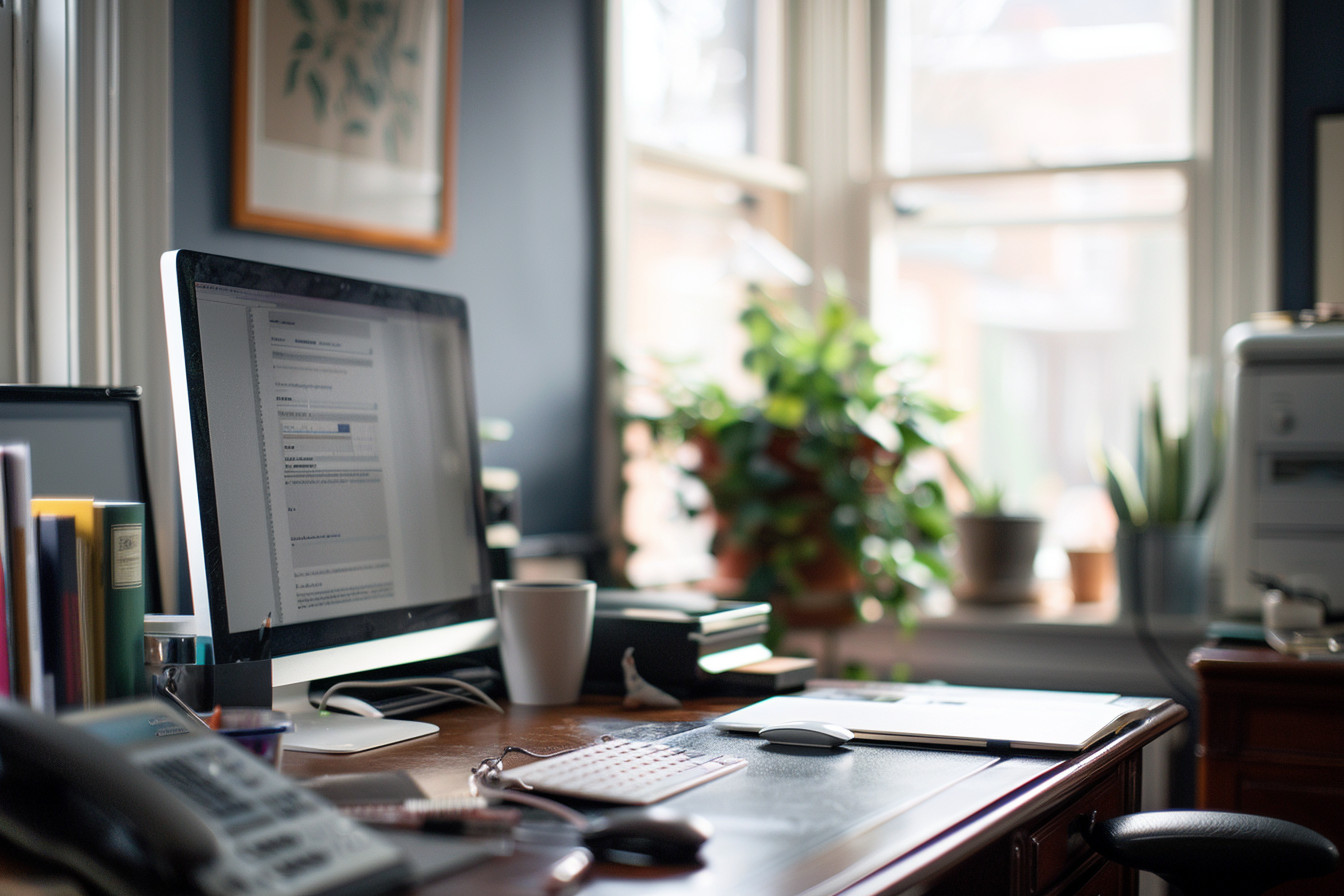
That's it. Everything else either went into storage, got sold, or found new homes with friends who actually wanted seventeen USB cables of varying lengths. The difference was immediate—I could think clearly for the first time in years. No visual distractions pulling my attention in twelve directions. No cable management systems to maintain. No dust collecting on gadgets I'd forgotten I owned.
The mental shift was just as important as the physical one. Instead of asking "what else do I need to be more productive?" I started asking "what can I remove that's slowing me down?" Turns out, the answer was almost everything. That expensive monitor arm I'd spent hours setting up perfectly? Never actually adjusted it after the initial setup. The desk organizers with seventeen compartments? Just became places for junk to accumulate.
I went digital wherever possible, which felt natural as someone who builds software for a living. Cloud storage replaced filing cabinets. Note-taking apps replaced stacks of notebooks. Digital receipts meant no more shoebox of paper receipts for tax season. My accountant probably thinks I disappeared, but everything's actually more organized now—it's just organized in pixels instead of physical space.
The furniture choices became simple too. I ditched the massive L-shaped desk that dominated half my apartment for a clean, simple table that's big enough for my laptop and small enough that I can't accumulate junk on it. Got a chair that's comfortable for long coding sessions but doesn't look like it belongs in a spaceship. Everything serves a purpose and nothing's there just for show.
Lighting was a game-changer I didn't expect. Instead of harsh overhead fluorescents that made everything feel like an office building, I positioned my desk near the window and added one good desk lamp for evening work. Natural light during the day keeps me more alert and connected to the outside world. Who knew that seeing actual sunlight could make debugging sessions less miserable?
My coworkers definitely noticed the change. During video calls, instead of commenting on all the tech gear in my background, they started saying my space looked calm and focused. A few even asked for advice on simplifying their own setups. Apparently I wasn't the only one drowning in productivity theater—lots of people were buying things they thought would make them more efficient but were actually just adding complexity.
The financial side was eye-opening too. I made almost three thousand dollars selling stuff I'd accumulated over the years. Turns out those impulse purchases added up to real money, money that's now invested instead of depreciating on my desk. I also stopped the constant upgrade cycle—no more buying the newest version of things that were working fine.
Maintenance became non-existent. Used to spend weekend mornings untangling cables, dusting equipment, and reorganizing desk drawers. Now I can clean my entire workspace in about thirty seconds. Wipe down the desk, water the plant if I remember, done. That time goes to actual hobbies instead of maintaining my hobby of buying things for hobbies I don't actually do.
The productivity gains were real but subtle. I wasn't suddenly working twice as fast or anything dramatic like that. But the constant low-level stress of visual clutter was gone. Decision fatigue from having too many options disappeared. When everything has a specific purpose and place, you spend less mental energy on your environment and more on your actual work.
There were some adjustments. I definitely got rid of a few things I later wished I'd kept—a backup monitor that would've been useful during a particularly complex project, some cables that I needed six months later. But honestly, those moments were rare, and the cost of occasionally having to rebuy something was way less than the cost of maintaining everything "just in case."

The biggest challenge was resisting the urge to fill the empty space. Clean surfaces seem to attract stuff like magnets. I had to actively work on keeping things minimal, especially during stressful periods when I'd default to buying something new to solve whatever problem I was facing. But over time, <a href="https://declutterglee.com/minimalism-and-productivity-how-less-clutter-leads-to-more-focus/"><a href="https://declutterglee.com/minimalism-and-productivity-how-less-clutter-leads-to-more-focus/">the habit of asking</a></a> "do I actually need this?" became automatic.
What surprised me most was how much calmer I felt in the space. I didn't realize how much that visual chaos was affecting my stress levels until it was gone. Now when I sit down to work, there's this sense of clarity that just wasn't there before. My mind can focus on the code or the problem I'm solving instead of being pulled in seventeen directions by all the stuff around me.
The space feels bigger too, even though it's the same apartment. Turns out when you're not cramming every surface full of things, rooms actually have room to breathe. I can pace while thinking through problems. I can roll my chair back without hitting something. Simple things, but they matter when you're spending eight hours a day in a space.
If you're thinking about simplifying your workspace, start small. Pick one area—maybe just your desk surface—and remove everything except what you'll use in the next week. See how it feels. You can always add things back if you miss them, but chances are you won't. The peace of mind that comes with a clean, intentional workspace is worth more than any gadget you think you need to be productive.

Lawrence’s a San Francisco software engineer who traded constant upgrades for intentional living. He writes about resisting gadget overload, curating only what adds value, and finding clarity in a world built on consumption