You know, I never thought I'd be writing about minimalism. Honestly, the word makes me think of those Instagram accounts with white walls and three pieces of furniture that probably cost more than my car. But here I am, two years after losing Patricia and selling our overstuffed four-bedroom house, living in a two-bedroom condo with maybe a third of what I used to own… and I'm actually happier.
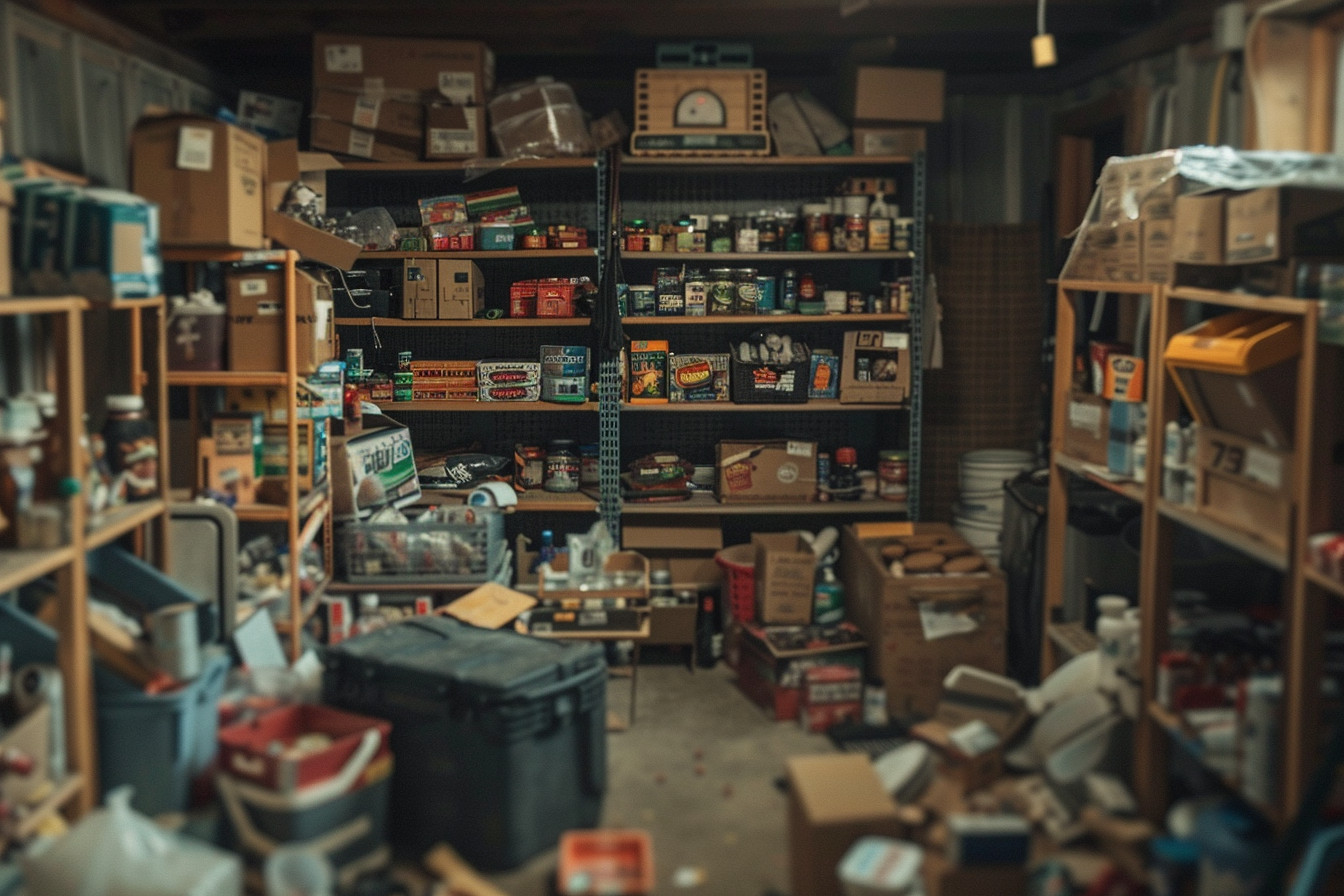
Let me back up. After forty years of marriage and forty years of accumulating stuff, our house in Scottsdale was what you might politely call "full." Patricia always said we'd clean it out when we retired, but retirement came and went and we just kept adding more. Tools I hadn't touched in years, books I'd never read, Patricia's craft supplies, boxes of Christmas decorations we hadn't used since the kids moved out. The garage was so packed I had to park in the driveway.
When Patricia got sick, dealing with all that stuff was the last thing on my mind. After she died, though, I'd sit in our living room surrounded by forty years of shared life and feel like I was drowning. Every surface had something on it, every closet was crammed full, and most of it nobody wanted or needed. Including me.
My daughter finally staged what I guess you'd call an intervention. "Dad, you can't live like this," she said, looking around at the chaos. "This house is too big, there's too much stuff, and it's not healthy." She was right, but where do you even start when you're 65 years old and staring at a lifetime of accumulation?
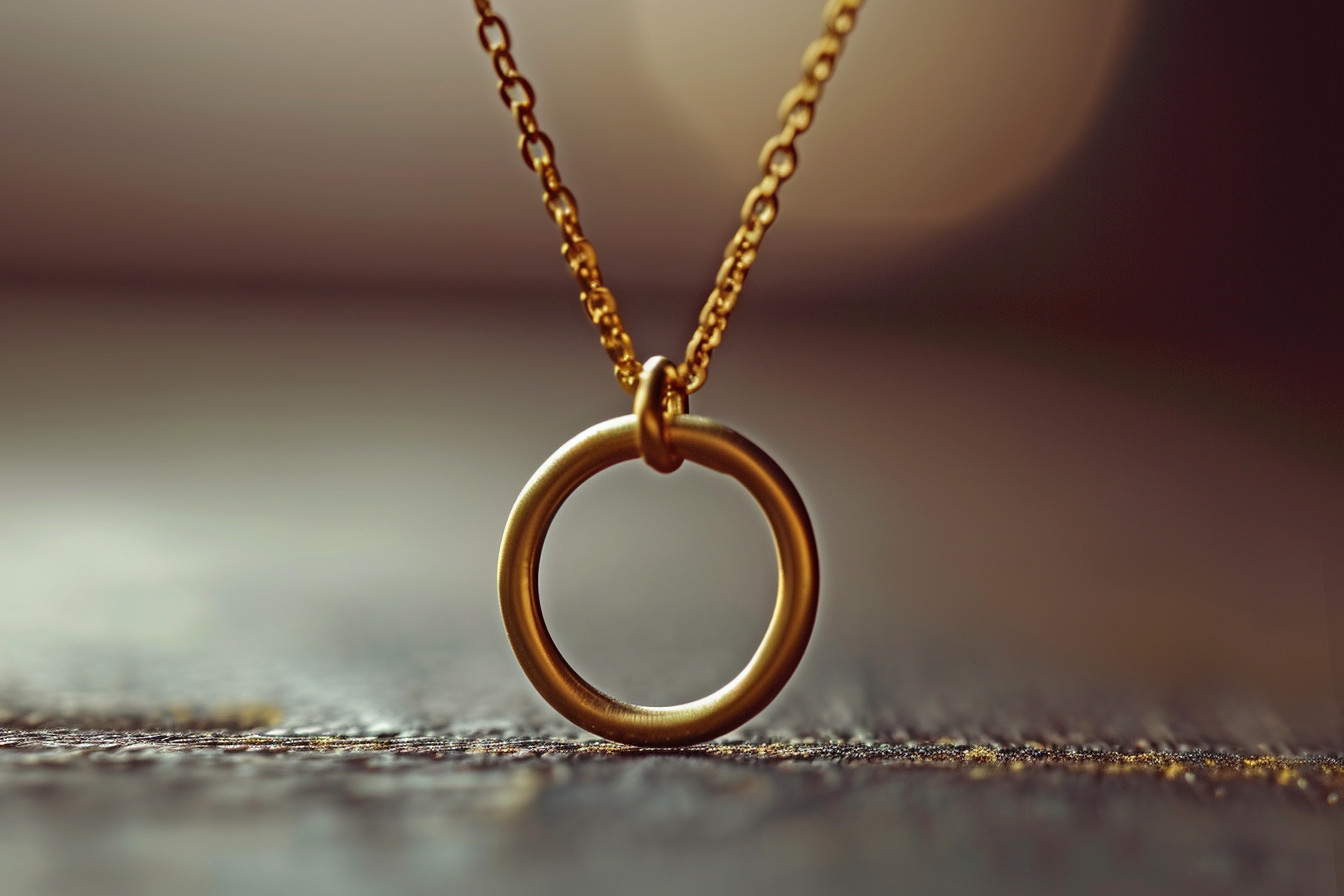
The first step was dealing with <a href="https://declutterglee.com/decluttering-my-sentimental-jewelry-keeping-only-meaningful-pieces/">Patricia's things, </a>which was brutal. I hired an estate sale company because I couldn't do it alone. They were kind but professional, helping me sort through her clothes, jewelry, books, all the little things that made up her daily life. The kids took what they wanted – not much, honestly, because they have their own lives and their own stuff. We sold most of it, donated the rest, and I kept a few meaningful pieces. Her wedding ring. Photo albums. A ceramic bowl she'd made in a pottery class twenty years ago.

That process opened my eyes to my own stuff. Why was I keeping golf clubs from when I played regularly fifteen years ago? Camping equipment from family trips when the kids were young? Tax documents from 1987? I started going through everything room by room, asking myself not "might I need this someday" but "do I actually use this now?"
The answer was usually no.
I'd heard of Marie Kondo and her "spark joy" thing, which honestly seemed a little touchy-feely for an old accountant like me. But when I held up that dusty bread machine I'd used maybe three times, it definitely didn't spark anything except maybe irritation at myself for buying it. So out it went. Same with the exercise bike that had become a very expensive clothes hanger.
What worked better for me was something simpler – four boxes labeled "Keep," "Donate," "Trash," and "Store Elsewhere." I'd tackle one room at a time, putting every single item in one of those boxes. It gave me a clear decision to make about each thing instead of just moving stuff around. That sweatshirt with the stain I kept meaning to treat? Donate box. Important papers? Keep box. Broken radio I was going to fix someday? Trash box.
The "one in, one out" rule became my friend too. If I bought something new, something old had to go. Bought new sheets? The old ones went to Goodwill. Got a new book? An old one I'd never reread got donated to the library. It helped me maintain some balance instead of just accumulating more.
The hardest part wasn't the physical work – though at 67, hauling boxes to Goodwill wasn't exactly fun. It was the <a href="https://declutterglee.com/decluttering-my-sentimental-jewelry-keeping-only-meaningful-pieces/"><a href="https://declutterglee.com/decluttering-my-sentimental-jewelry-keeping-only-meaningful-pieces/">emotional weight of letting go</a></a>. Every item connected to Patricia or the kids or our life together felt like I was erasing memories. I had to learn that keeping everything wouldn't bring her back, and drowning in possessions wasn't honoring her memory. The memories are in my head and heart, not in that box of her old magazines.
Once I'd decluttered, the house felt ridiculously big. Four bedrooms, formal dining room, two living areas – all for one person who mostly ate frozen dinners in front of the TV. The utility bills alone were killing me, and I spent more time cleaning than enjoying the space. So I sold it and found this condo closer to my daughter's family.
Moving day was interesting. After living in a 2,800-square-foot house, fitting into a 1,200-square-foot condo meant another round of downsizing. But it was easier this time because I'd already gotten rid of so much. The movers kept asking if there were more boxes coming. Nope, this was it.
Now I can clean my whole place in about an hour. I know where everything is because there's not that much stuff to keep track of. When my grandkids come over, we have room to spread out games on the floor instead of navigating around piles of clutter. I can travel without worrying about maintaining a big house. Last month I spent two weeks visiting my son in Colorado and didn't think about home maintenance once.
The money part is nice too. Lower mortgage, lower utilities, less to insure. I'm spending money on experiences now instead of storage solutions. Took the grandkids to Disneyland last year – something I wouldn't have considered when I was dumping money into maintaining a house full of stuff I didn't need.
Don't get me wrong, I'm not one of those extreme minimalists with seven possessions and a capsule wardrobe. I still have plenty of stuff. But it's stuff I actually use or genuinely care about. My workshop has tools I use for projects. My bookshelf has books I've read or plan to read. The kitchen has equipment I cook with regularly, not gadgets that seemed like a good idea at the time.
I've connected with other seniors going through similar situations – dealing with loss, facing downsizing, realizing they're running out of time to deal with accumulated clutter. It's more common than you'd think, but people don't talk about it much. We share practical tips but also emotional support because this stuff is hard work, both physically and mentally.
What I've learned is that at my age, living simply isn't about following trends or making Instagram-worthy spaces. It's about making things easier for yourself and your family. Every item I get rid of now is something my kids won't have to deal with later. Every simplification makes my current life more manageable and gives me more time for what actually matters.

I'm still working on it. Going through old photos now, scanning the important ones, tossing duplicates and pictures of people I can't even identify anymore. It's slow going because photos bring up memories and I get distracted looking at them. But it needs to be done, and I'd rather do it myself than leave boxes of unsorted pictures for my kids to puzzle over someday.
The funny thing is, I don't miss most of the stuff I got rid of. Occasionally I'll think "where's that thing?" and then remember I donated it two years ago, but the feeling passes quickly. What I don't miss at all is the weight of maintaining and managing all those possessions. The mental load of knowing there were rooms in my house I never went into, closets I was afraid to open, boxes in the garage I hadn't looked at in years.
Living simply has given me space to grieve, heal, and figure out what I want to do with whatever time I have left. That's more valuable than any of the stuff I got rid of. At 67, I don't need much to be comfortable, but I need room to breathe, and that's exactly what I've got now.
If you're facing something similar – dealing with loss, preparing to downsize, or just tired of being buried under stuff – start small. One room, one category, one box at a time. It's not about becoming a minimalist guru, it's about making space for what really matters. Trust me, you'll know the difference when you feel it.

Frank’s a widowed retiree from Phoenix learning that less really is more. After decades of accumulation, he’s simplified his home and his life—sharing real stories about grief, gratitude, and living lighter in retirement without losing what matters